
Introduction
As a parent, one of my biggest hopes for my children is that they grow up resilient and excited to learn. I want them to see challenges as adventures, not roadblocks, and to believe in their ability to grow and improve. That’s where the idea of a “growth mindset” comes in and storybooks are one of the most powerful tools we have to nurture this mindset in young hearts.
A growth mindset, a term made famous by psychologist Carol Dweck, is the belief that abilities and intelligence can be developed through dedication and hard work. It’s the opposite of a “fixed mindset,” which assumes our qualities are set in stone.
Why storybooks? Because stories captivate, entertain, and gently teach. Kids see themselves in characters, feel their struggles, and learn from their journeys. By sharing stories that celebrate effort, perseverance, and the magic of “yet,” we plant seeds of possibility that can blossom into confidence and a lifelong love of learning.
Over the years, I’ve gathered a collection of storybooks that have helped my own children develop a growth mindset. Some are classics, others are new favorites. In this article, I’ll share my top 10 picks, explain why each one is special, and offer tips for using them to spark meaningful conversations with your child.
Understanding the Growth Mindset: Laying the Foundation

Before we dive into the storybooks, let’s make sure we’re clear on what a growth mindset really means. It’s the belief that our abilities aren’t fixed they can be developed through effort, learning, and even mistakes. It’s about welcoming challenges and seeing failures as stepping stones, not dead ends.
In contrast, a fixed mindset says, “I’m just not good at this,” and gives up easily. Kids with a fixed mindset might avoid challenges, fear failure, and tie their self-worth to their performance.
The beauty of a growth mindset is that it empowers kids to take charge of their learning. It teaches them that effort matters, mistakes are valuable, and perseverance pays off. It builds resilience and a belief in their own potential.
Here’s a quick story from my own life: My daughter Emily used to get so frustrated when she couldn’t solve a math problem right away. She’d say, “I’m just not good at math!” But by praising her effort, celebrating her progress, and treating mistakes as learning opportunities, we helped her shift her thinking. Now, when she faces a tough problem, she says, “I’m not there yet, but I will be!”
How to Cultivate a Growth Mindset in Your Child
- Praise effort, not just achievement: Instead of “You’re so smart!” try “You worked really hard on that!” or “I admire your persistence!”
- Focus on the process: Ask your child about the strategies they used. Help them see that learning is a journey, not just a destination.
- Embrace mistakes as learning opportunities: Encourage your child to reflect on mistakes and learn from them. Mistakes are a natural part of growing.
- Model a growth mindset yourself: Share your own challenges and how you overcame them. Let your child see you learning, too.
- Use the power of “yet”: When your child says, “I can’t do it!” add “yet.” “I can’t do it yet” means they will get there with time and practice.
Top 10 Storybook Recommendations to Foster a Growth Mindset

Now for the fun part! Here are my top 10 storybooks for nurturing a growth mindset in kids:
- Rosie Revere, Engineer by Andrea Beaty: A joyful celebration of perseverance. Rosie’s inventions don’t always work, but she learns that every failure is a step toward success. The rhymes and illustrations make it a delight to read aloud.
- The Most Magnificent Thing by Ashley Spires: This story perfectly captures the frustration and determination of trying something new. The main character learns that taking a break and trying again can lead to wonderful results.
- Beautiful Oops! by Barney Saltzberg: A playful reminder that mistakes can lead to creativity. This interactive book encourages kids to see the beauty in the unexpected.
- The Girl Who Drank the Moon by Kelly Barnhill: While not directly about growth mindset, this magical novel encourages kids to challenge their limits and believe in their own potential. Best for older elementary or middle schoolers.
- Bubble Gum Brain by Julia Cook: This book explains fixed and growth mindsets in a way kids can understand, using the analogy of bubble gum (stretchy and flexible) versus brick (rigid and unchanging).
- Your Fantastic Elastic Brain by JoAnn M. Deak: A science-based book that teaches kids their brains can grow and change. The illustrations make the science fun and accessible.
- After the Fall (How Humpty Dumpty Got Back Up Again) by Dan Santat: A beautifully illustrated story about overcoming fear and getting back up after a setback. It’s a powerful message about resilience and courage.
- What Do You Do With an Idea? by Kobi Yamada: This book celebrates creativity and encourages kids to nurture their ideas, even when they seem strange or different.
- Mistakes That Worked by Charlotte Foltz Jones: A fascinating look at inventions that were discovered by accident. It shows kids that even mistakes can lead to amazing discoveries.
- Giraffes Can’t Dance by Giles Andreae: Gerald the giraffe learns to dance in his own unique way, showing kids that everyone has their own special talents and that self-belief is key.
Tips for Reading These Books with Your Child
- Make it interactive: Ask your child questions about the characters and their experiences. How do they feel? What challenges do they face?
- Connect the stories to your child’s life: Ask if they’ve ever faced something similar. How did they handle it?
- Focus on the message: Emphasize effort, perseverance, and learning from mistakes.
- Read aloud: Reading together brings stories to life and creates special memories.
- Re-read favorites: Kids love hearing their favorite stories again and again. Each time, they may notice something new.
Beyond the Books: Real-Life Applications
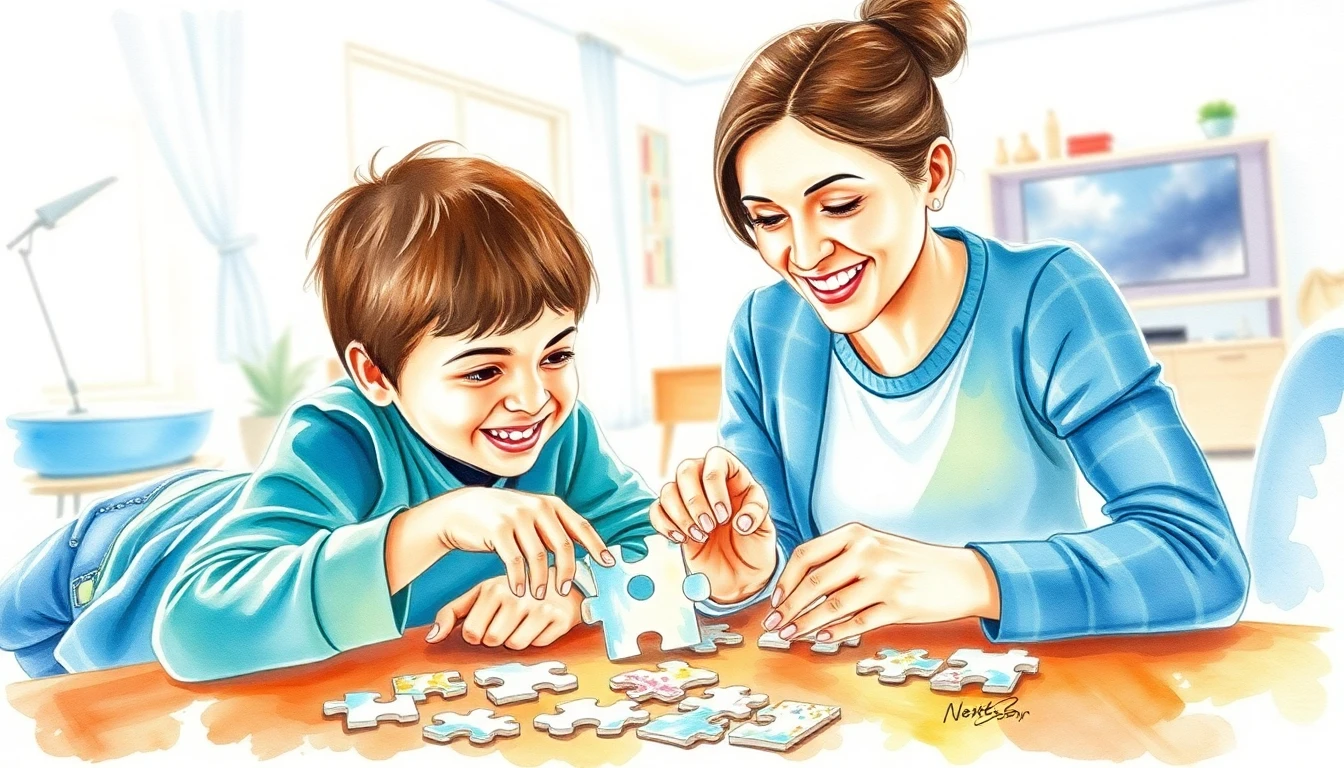
Reading these books is just the beginning. The real magic happens when you help your child apply the lessons to their own life. Here are some ideas:
- Encourage goal-setting: Help your child break big goals into smaller, manageable steps.
- Celebrate progress: Notice and celebrate every achievement, no matter how small.
- Build problem-solving skills: When your child faces a challenge, brainstorm solutions together and try different approaches.
- Create a supportive environment: Make sure your child feels safe to take risks, make mistakes, and learn from them.
I remember when my son, Alex, was learning to ride his bike. He fell so many times and wanted to give up. Instead, we broke the task into small steps balancing, pedaling, steering and celebrated each little victory. Eventually, he mastered it, and the pride on his face was unforgettable. More importantly, he learned that with perseverance and a positive attitude, he could overcome anything.
FAQs About Growth Mindset and Storybooks
What age are these books appropriate for?
Most of these books are great for ages 4-12, though some like The Girl Who Drank the Moon are best for older elementary or middle schoolers. Choose based on your child’s reading level and interests.
How often should I read these books with my child?
There’s no set rule. Read them as often as your child enjoys. Re-reading favorites is wonderful kids often discover new lessons each time. Try making them part of your bedtime routine or use them as conversation starters when your child faces a challenge.
What if my child still struggles with a fixed mindset?
Be patient and persistent. Shifting from a fixed to a growth mindset takes time. Keep praising effort, celebrating progress, and framing mistakes as learning opportunities. Model a growth mindset yourself, and create a safe, supportive environment. Remember, it’s a journey, not a race.
Closing Thoughts: The Gift of a Growth Mindset

Helping your child develop a growth mindset is one of the greatest gifts you can give. It empowers them to embrace challenges, persevere, and believe in their own potential. By weaving these storybooks into your family’s reading routine and living out the principles of a growth mindset, you’re setting your child up for a lifetime of confidence, resilience, and joy in learning. Remember, it’s not about being perfect it’s about growing, learning, and never giving up. Happy reading!